Nutritional Considerations for Men's General Health
Understanding dietary principles that support energy, vitality, and overall well-being for men.
Educational content only. No promises of outcomes.
Introduction
This section provides educational information about general nutritional considerations that may support men's overall health and well-being. The focus is on foundational dietary principles, nutrient roles, and lifestyle factors that contribute to general health maintenance and vitality. All content is presented informatively, without claims of treating specific conditions or guaranteeing outcomes.

Energy Levels and Sustained Vitality
Energy production depends on a combination of adequate macronutrient intake, micronutrient support, and lifestyle factors. Understanding how dietary choices support energy stability helps illustrate the connection between nutrition and daily vitality.
Supporting Energy Through Nutrition
- Complex Carbohydrates: Whole grains, legumes, and vegetables provide sustained energy release compared to simple sugars.
- Adequate Protein: Supports muscle function and metabolic stability.
- B-Vitamins: Play key roles in energy metabolism pathways.
- Iron & Magnesium: Essential minerals supporting oxygen transport and energy production.
Regular meal patterns and consistent hydration also contribute to stable energy throughout the day.

Muscle Maintenance and Physical Function
In general terms, muscle maintenance is supported by adequate protein intake, micronutrient sufficiency, and regular physical activity. Understanding the nutritional components that support muscle health illustrates why dietary quality matters.
Nutritional Support for Muscle Function
- Protein: Essential amino acids are fundamental building blocks. Sources include meat, fish, legumes, and dairy.
- Minerals for Muscle: Calcium and magnesium are critical for muscle contraction and relaxation.
- Antioxidants: Help manage oxidative stress from physical activity.
- Hydration: Supports muscle function and recovery processes.
Combined with consistent physical activity, adequate nutrition supports general muscle health and functional capacity.
Bone Health and Structural Integrity
Bone health is supported by multiple nutrients and lifestyle factors. While bone health is often discussed in the context of aging, maintaining bone density across all life stages through proper nutrition and activity is fundamental to overall physical well-being.
Key Nutrients for Bone Support
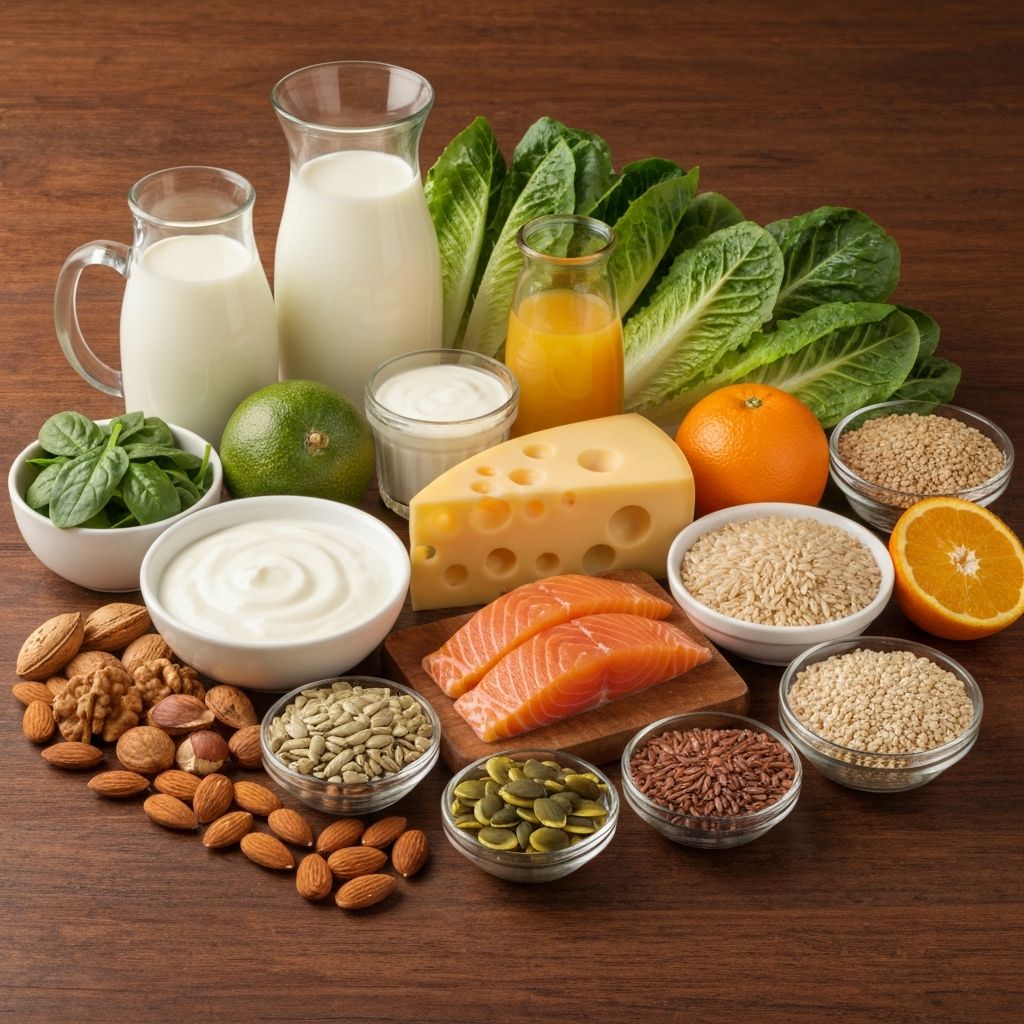
- Calcium & Magnesium: Primary structural minerals in bone tissue. Sources: dairy, leafy greens, seeds, legumes.
- Vitamin D: Essential for calcium absorption. Obtained through sunlight exposure and dietary sources.
- Vitamin K: Plays roles in bone protein synthesis. Found in leafy greens.
- Protein: Provides structural framework for bone tissue.
- Physical Activity: Weight-bearing exercise supports bone density maintenance.
A balanced diet combined with regular physical activity supports long-term skeletal health and function.
Educational Content Notice
This content is for informational purposes only. The information presented here is designed to help you understand general principles of nutrition and health as they relate to men's overall well-being. It does not provide personalized recommendations, does not replace professional medical or nutritional consultation, and should not be used to self-diagnose or make medical decisions. Individual nutritional needs vary significantly based on age, health status, activity level, and other factors. If you have specific health concerns or questions, consult with qualified healthcare professionals.